







What Is Zone 2 Training? How to Calculate Your Heart Rate
Zone 2 training is a form of aerobic exercise performed at a relatively sustainable intensity. In some five-zone heart rate models, this intensity typically corresponds to about 60%–70% of maximum heart rate, although the exact definition may vary depending on the training methodology.
For many people, Zone 2 exercise feels steady rather than intense. You can usually maintain this effort level for extended periods; while breathing becomes faster, it doesn't interfere with normal conversation.
During activities such as brisk walking, cycling, or easy jogging, a smartwatch can help monitor your heart rate. However, heart rate is just one indicator of exercise intensity—factors like breathing pattern, perceived exertion, fitness level, and limitations of wrist-based heart rate monitoring are also important.
This guide will explain how to estimate your Zone 2 heart rate, use the "talk test," choose suitable exercises, and review long-term activity data recorded by your smartwatch.
Answering "What is Zone 2 training?" directly at the beginning better aligns with informational search intent.
What Is Zone 2 Training?
Heart rate zones help estimate exercise intensity based on your maximum heart rate. A common five-zone model looks like this:
|
Heart Rate Zone |
Approx. % of Estimated Max HR |
General Effort |
|
Zone 1 |
50–60% |
Very easy |
|
Zone 2 |
60–70% |
Easy to steady |
|
Zone 3 |
70–80% |
Moderate to challenging |
|
Zone 4 |
80–90% |
Hard |
|
Zone 5 |
90–100% |
Very Hard |
Zone 2 generally represents a sustainable aerobic intensity, making it suitable for longer cardio sessions and endurance exercise.
However, heart rate zone definitions vary between training systems. The 60%–70% range is a useful starting point, not a strict target everyone needs to hit.
How Do You Calculate Your Zone 2 Heart Rate?
One simple way to estimate your maximum heart rate is:
Estimated Maximum Heart Rate = 220 − Your Age
Then calculate approximately 60%–70% of that number.
For example, a 30-year-old woman would have an estimated maximum heart rate of 190 BPM, giving her an approximate Zone 2 range of 114–133 BPM.
|
Age |
Estimated Max HR |
Approx. Zone 2 at 60–70% |
|
20 |
200 BPM |
120–140 BPM |
|
30 |
190 BPM |
114–133 BPM |
|
40 |
180 BPM |
108–126 BPM |
|
50 |
170 BPM |
102–119 BPM |
These ranges are based on "220 minus age," and 60% - 70% of the model is calculated. They are only estimated values; the suitable training range for you may vary.
Keep in mind that the 220-minus-age formula is only an estimate. The American Heart Association (AHA) notes that age-based target heart rates are general averages, and individual maximum heart rates can vary.
Rather than trying to keep your smartwatch within an exact BPM range, use these numbers as a guide alongside how your body feels.
This is only a rough estimate and not a personalized exercise prescription. The values calculated using age-based formulas may differ from an individual's actual maximum heart rate. If you are taking medications that affect heart rate, have cardiovascular disease, or have physical limitations, please consult a qualified healthcare professional for guidance on appropriate exercise intensity.
How Can You Tell If You're in Zone 2?
Your heart rate isn't the only way to judge workout intensity. Another useful method is the Talk Test.
During moderate-intensity exercise, your breathing and heart rate increase, but you can usually still carry on a conversation.
How can you determine if you're in "Zone 2" (the second heart rate zone)?
The "Talk Test" is a simple method to assess exercise intensity without relying entirely on a smartwatch. During moderate-intensity aerobic exercise, you should be able to speak comfortably but not sing easily. If you need to pause for breath after every few words, your effort may have already reached a high-intensity level.
For a practical assessment, consider the following three factors:
- Heart rate: Is your reading roughly within your expected range?
- Breathing: Can you speak in full sentences without feeling strained?
- Perceived exertion: Does the current pace feel sustainable, or does it feel very difficult?
The Talk Test serves as a practical reference for gauging relative exercise intensity, but it cannot precisely define Zone 2 for every individual or training system. It's best used in combination with heart rate data and should not be regarded as an exact measurement standard.
When working out, consider three things together:
Heart Rate + Breathing + How You Feel
The Talk Test isn't a precise measurement of Zone 2, but it provides helpful context beyond the BPM displayed on your smartwatch.
What Exercises Can Count as Zone 2 Training?
Zone 2 isn't a specific workout. It's an exercise intensity that can be reached through different activities, depending on your fitness level.
Common examples include:
- Brisk walking
- Easy cycling
- Slow jogging
- Swimming
- Elliptical workouts
For example, brisk walking might bring one person into Zone 2, while someone with a higher fitness level may need to walk faster or choose a more demanding activity.
What matters most is how hard your body is working, not the name of the exercise.
How to stay in "Zone 2" while walking?
Walking is a practical way to experience "Zone 2" training, but the pace that suits you depends on your physical fitness level, terrain, and your personal heart rate response.
Next time you walk, try the following steps:
Start at a relaxed pace. Allow yourself some warm-up time and don't rush to reach the target heart rate right away.
Monitor your heart rate appropriately. Compare the readings with your estimated range, and don't strive for a specific number if the reading doesn't match your body's sensation.
Use the "speak test" method. Maintain a pace that feels sustainable for you, ensuring you can speak fluently without feeling strained.
Gradually adjust the intensity. If the intensity feels too low, you can slightly increase your pace or choose a section with a slight slope; if it feels too high, slow down.
Review the training session afterwards. Focus on the duration of the exercise and the overall trend of heart rate changes, rather than relying solely on a single reading to evaluate the entire training session.
The goal is to find a sustainable exercise intensity, rather than requiring every second of the walk to strictly stay within a narrow heart rate range.
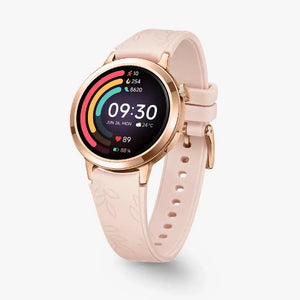
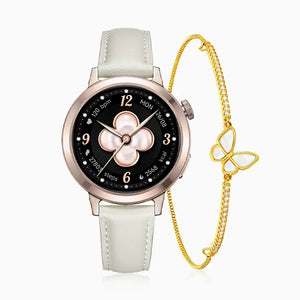
How to Use FANY Luna to Track Zone 2 Workouts
When using FANY Luna for Zone 2 training, heart rate tracking can help you understand your workout intensity while you use your breathing and perceived effort to find a comfortable, sustainable pace.
During a brisk walk, for example, you can occasionally check your current heart rate on FANY Luna to see whether it's roughly within your estimated Zone 2 range. Afterward, review your workout duration and overall heart rate pattern instead of constantly adjusting your pace to chase an exact number.
For women looking to incorporate Zone 2 into everyday fitness, FANY Luna can help record heart rate changes during activities such as walking, cycling, and jogging. Its workout modes make it easier to select an activity and keep a record of each session.
Over time, these records can become more useful. If you regularly take 30-minute brisk walks, you can compare your heart rate patterns across different days or notice whether you can maintain a similar effort for longer. You can also review workout duration and heart rate data across different activities.
This approach helps you understand your personal exercise patterns rather than judging your fitness based on a single workout.
FANY Luna can also make Zone 2 training easier to fit into your routine. You don't need a complicated training plan. A morning walk, an active commute, or an easy bike ride can become an opportunity to check your heart rate and gradually learn what a sustainable pace feels like.
However, consumer smartwatch heart rate readings can be affected by watch fit, wrist movement, and exercise type. FANY Luna is best used as an everyday fitness reference and trend-tracking tool, not as a replacement for medical measurements or professional training equipment.
What Should You Avoid When Using a Smartwatch for Zone 2?
One common mistake is constantly speeding up or slowing down just to stay within a specific heart rate range.
Remember that the 220-minus-age formula is an estimate, not a precise measurement of your personal maximum heart rate. Smartwatch readings can also fluctuate temporarily.
If your heart rate looks different during one workout, consider your exercise intensity, how you feel, and your longer-term patterns before drawing conclusions.
If you experience chest pain, significant dizziness, unusual shortness of breath, or other concerning symptoms during exercise, stop and seek medical advice rather than relying on smartwatch data to explain what's happening.
Is FANY Luna Suitable for an Everyday Zone 2 Routine?
One advantage of Zone 2 training is that it can fit into everyday life without requiring a complicated workout schedule.
For example:
- Morning: A 30-minute brisk walk
- After work: Walking or easy cycling
- Weekend: A longer outdoor cardio session
With FANY Luna, you can connect these activities through heart rate tracking, workout modes, and workout records.
For women looking for an everyday smartwatch, the goal isn't necessarily to complete a Zone 2 workout every day. It's to better understand your exercise intensity and develop a cardio routine you can maintain over time.
Of course, a balanced fitness routine involves more than Zone 2 training. Adults generally benefit from a combination of aerobic exercise at different intensities and muscle-strengthening activities.
That's where FANY Luna works as an everyday fitness companion. It helps you keep track of walking, cycling, and other workouts, making it easier to recognize long-term patterns without turning every session into a strict heart rate challenge.
Final Thoughts: Focus on the Routine, Not the Perfect Zone
Zone 2 training offers a practical way to understand cardio intensity, but it doesn't need to become another number you feel pressured to achieve.
With FANY Luna, you can use heart rate tracking as a reference, occasionally check your readings during exercise, and combine that information with the Talk Test and how your body feels.
Then, review your workout records over time to better understand your habits.
For everyday fitness, what matters isn't whether every walk stays perfectly within Zone 2. It's whether you're building an enjoyable, sustainable routine that fits your lifestyle.
FAQ
1. What is Zone 2 heart rate?
In a common five-zone model, Zone 2 is approximately 60%–70% of your maximum heart rate. It's generally considered a sustainable aerobic exercise intensity, although definitions vary between training systems.
2. How do I calculate my Zone 2 heart rate?
Subtract your age from 220 to estimate your maximum heart rate, then calculate 60%–70% of that number. This provides a general reference, not a personalized training prescription.
3. Is walking considered Zone 2 cardio?
Yes. Brisk walking can qualify as Zone 2 cardio depending on your fitness level, walking speed, and heart rate. With FANY Luna, you can combine heart rate data with the Talk Test to better understand your exercise intensity.
4. Is FANY Luna good for Zone 2 walking?
FANY Luna can help you track heart rate and workout duration during brisk walking and review your activity afterward. For a more practical understanding of Zone 2, combine these readings with your breathing, perceived effort, and individual fitness level.
5. Why might my FANY Luna heart rate change during the same workout?
Your heart rate naturally changes with exercise intensity. Smartwatch readings can also be influenced by watch fit, wrist movement, and activity type. Instead of relying on a single reading, consider how you feel and compare patterns across multiple workouts.
6. Can You Do Zone 2 Training Every Day?
Whether you can do Zone 2 training daily depends on your fitness level, total exercise load, recovery, and health circumstances. Start with an amount of activity you can comfortably manage, and adjust your routine based on how you feel. You do not need to complete a Zone 2 workout every day to build a consistent exercise habit.
7. Is Zone 2 the Same as Moderate-Intensity Exercise?
Not necessarily. Zone 2 is defined differently across training systems, while moderate-intensity exercise is commonly described using relative effort and the Talk Test. The concepts can overlap, but they should not be treated as interchangeable in every context.
 Sia Cooper


A nurse-turned-personal trainer and founder of Diary of a Fit Mom, Sia lost 45 lbs through clean eating and lifestyle changes—and has been helping women do the same ever since. Drawing on her own journey through pregnancy, motherhood, and IVF, she's passionate about making fitness feel approachable, realistic, and empowering for women at every stage of life. Your trainer and friend.