







Period Tracking and Self-Care: 4 Ways to Support Your Well-Being
Period tracking can be more than marking the first day of your period on a calendar. Recording your cycle dates, symptoms, mood, and daily habits may help you notice patterns over time and better understand your personal needs.
Self-care doesn't mean trying to control every change in your cycle. It means using the information you record to make thoughtful choices about rest, movement, routines, and when to seek professional advice.
In this guide, we'll explore four practical ways to turn period tracking into a more mindful self-care habit, with examples of how a smartwatch and companion app may support everyday tracking.

What to Track in Your Menstrual Cycle Journal
| What to Record | Example | How It May Help |
|---|---|---|
| Period dates | Start and end dates | Review cycle timing over several months. |
| Symptoms | Cramps, headaches, or bloating | Identify recurring symptoms to discuss with a healthcare professional. |
| Mood and energy | How you felt that day | Reflect on changes in your own experience. |
| Sleep and activity | Sleep routine, walking, or exercise | Consider how daily habits relate to how you feel. |
| Self-care actions | Rest, gentle movement, or a planned break | Remember which habits felt helpful to you. |
1. Track Your Menstrual Cycle and Recognize Your Patterns
Menstrual cycle tracking is a simple way to better understand your body and make informed self-care choices. By recording your period dates, symptoms, mood, and energy levels, you can begin to recognize patterns in your menstrual cycle over time.
You don't need a complicated system to get started. A menstrual cycle journal or period tracking app can help you keep your information organized and make it easier to review your experiences from month to month.
What should you track in your menstrual cycle journal?
Period dates: Record the first and last days of your period.
Physical symptoms: Note cramps, bloating, headaches, or other changes you experience.
Mood and energy: Write down how you feel throughout the day.
Sleep and activity: Track your sleep routine, exercise, and daily movement.
Self-care habits: Record what helps you feel more comfortable, such as resting or taking a gentle walk.
Over several cycles, these notes may help you identify recurring patterns and prepare for your personal needs. Remember that menstrual cycles naturally vary, and tracking cannot diagnose a health condition.
Self-care tip: Set aside a minute each day to update your journal. Consistency is more useful than recording every possible detail.

2. Notice Mood Changes Throughout Your Menstrual Cycle
Your mood and energy levels can change throughout your menstrual cycle, although everyone's experience is different. Tracking these changes alongside your period dates, sleep, and daily stress levels may help you understand your own patterns and identify what supports your well-being.
Instead of assuming that every mood change is caused by your cycle, use your journal to look for possible connections over time.
How to track mood changes during your cycle
Rate your mood: Use a simple scale, such as 1 to 5, or choose words like calm, tired, stressed, or upbeat.
Record your energy levels: Note when you feel energetic, tired, or in need of extra rest.
Track sleep and stress: Write down whether you slept well or experienced an unusually stressful day.
Review your notes: After a few cycles, look for recurring patterns without expecting every month to be the same.
These observations can help you make more personalized self-care choices. For example, if your journal shows that you often feel tired after a poor night's sleep, you might prioritize rest and a manageable schedule the following day.
Self-care tip: Treat your tracking notes as a tool for understanding yourself, not a set of rules you must follow. If mood changes are severe, persistent, or interfere with daily life, consider speaking with a healthcare professional.
3. Build a Self-Care Routine Around Your Needs
Self-care during your period doesn't have to involve a complicated routine. Small, practical choices can make daily life more comfortable, and keeping track of your symptoms may help you discover which habits work best for you.
Because menstrual symptoms and energy levels differ from person to person, focus on your own experience rather than following a fixed routine for every stage of your cycle.

Four period self-care habits to try
Make rest a priority: If you feel tired, consider adjusting your schedule and allowing more time to rest.
Choose comfortable movement: Walking, gentle stretching, or yoga may feel helpful when you're comfortable exercising.
Prepare for your period: Keep menstrual products and other personal essentials within easy reach.
Notice what helps: Record whether rest, movement, hydration, or other everyday habits make you feel more comfortable.
Your menstrual cycle journal can help you compare these habits with your symptoms and energy levels over time. You may discover that some routines work well for you while others don't make much difference.
Self-care tip: Create a short list of habits that you find helpful, and revisit it whenever your needs change. If you experience severe menstrual pain, unusually heavy bleeding, or symptoms that concern you, seek medical advice rather than relying on self-care alone.
4. Use Period Tracking to Plan Ahead
One of the most practical benefits of period tracking is being better prepared for your personal needs. When you consistently record period dates, symptoms, sleep, and energy levels, your notes may help you plan everyday activities with greater awareness.
Although a period tracking app can estimate upcoming periods based on previous data, predictions are not always accurate. Stress, illness, medication, and natural cycle variation can affect menstrual timing.
How to use period tracking in everyday life
Prepare your essentials: Use your estimated period date as a reminder to carry menstrual products.
Plan flexible schedules: If you have noticed recurring symptoms, consider leaving room for rest or adjusting demanding activities when possible.
Build a movement routine: Choose activities based on how you feel rather than forcing yourself to follow the same workout every day.
Review your monthly notes: Compare period dates, symptoms, mood, and sleep to see whether any patterns repeat.
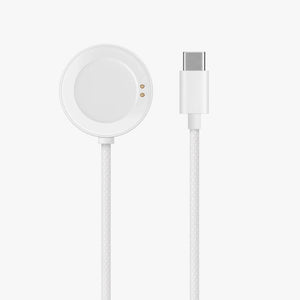
A period tracking app can make it easier to organize this information in one place. Some smartwatches also offer menstrual cycle tracking features that work with a companion app, allowing you to access cycle-related information alongside other wellness data.
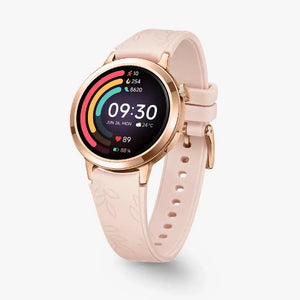
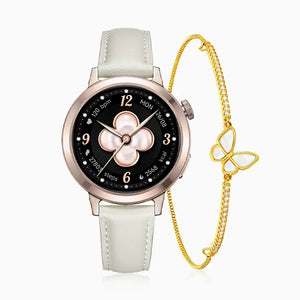
For example, the FANY Luna smartwatch supports menstrual cycle tracking through the FANY Fit App. You can explore the watch's cycle-related features as part of a broader routine for monitoring your daily wellness.
Self-care tip: Use cycle predictions as planning reminders, not guarantees. Menstrual tracking should not be used as a substitute for contraception or medical advice.

How FANY Luna Can Support Period Tracking and Self-Care
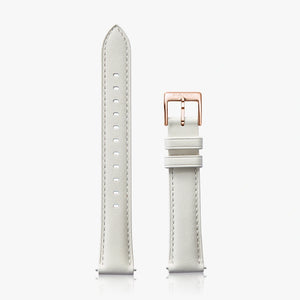
A smartwatch and companion app can make it easier to keep cycle records as part of an everyday routine. FANY Luna Leather Series and Silicone Series provide cycle-tracking features that users can use alongside their own notes about period dates, symptoms, mood, and daily habits, subject to the functions available in the device and app.
Over time, reviewing these records may help you organize your observations and prepare questions for a healthcare professional. Cycle estimates are not a diagnosis, and they should not be relied on alone for contraception, fertility decisions, or identifying medical conditions.
FAQ
1. How can period tracking support self-care?
Period tracking can help you record cycle dates, symptoms, and personal experiences. Reviewing these notes over time may help you plan routines and discuss recurring concerns with a healthcare professional.
2. What should I track during my menstrual cycle?
You can start with period dates, symptoms, mood, sleep, and activity. Choose the details most relevant to you rather than trying to record everything.
3. Can a smartwatch track your menstrual cycle?
Some smartwatches and companion apps offer cycle-tracking features. Available functions vary by device, and predictions are estimates rather than a medical diagnosis.
4. Can period tracking predict ovulation accurately?
Period tracking may estimate the timing of ovulation, but the estimate can be wrong, particularly when cycles vary. It should not be used alone to make contraception or fertility decisions.
5. When should I discuss menstrual symptoms with a healthcare professional?
Consider seeking advice if symptoms are persistent, severe, worsening, or interfere with everyday activities. Your cycle records may help you explain what you have experienced.
 Sia Cooper


A nurse-turned-personal trainer and founder of Diary of a Fit Mom, Sia lost 45 lbs through clean eating and lifestyle changes—and has been helping women do the same ever since. Drawing on her own journey through pregnancy, motherhood, and IVF, she's passionate about making fitness feel approachable, realistic, and empowering for women at every stage of life. Your trainer and friend.