







Smartwatch Sleep Tracking: What to Know and How to Get Started
Do you ever wake up feeling tired even after spending enough time in bed? Your bedtime routine, daily stress, and sleep schedule may all play a role in how rested you feel.
A smartwatch with sleep tracking can help you observe patterns in your estimated sleep duration, sleep stages, and nighttime heart rate. Over time, these records may help you notice how your habits relate to your sleep.
In this guide, we'll explain how smartwatch sleep tracking works, what common sleep metrics mean, how to interpret your results, and how FANY Luna can fit into a comfortable nighttime routine.

Why Is Sleep Important for Your Health?
Sleep supports physical health, brain function, and emotional well-being. Getting enough sleep can help you feel more alert during the day and support normal immune and cardiovascular function.
Sleep needs vary by age and individual circumstances. According to the CDC, adults aged 18–60 generally need at least seven hours of sleep per night, although individual needs can vary.
Sleep is also influenced by more than the number of hours you spend in bed. Your sleep schedule, daily routines, stress, and environment can all be worth reviewing when you want to understand your sleep habits.
A smartwatch can provide estimates of sleep duration and patterns, but it cannot tell you everything about how well your body has recovered. Use the data as one source of information, alongside how you feel and how you function during the day.
What Do Deep Sleep and REM Sleep Mean?
Sleep includes several stages, commonly grouped into non-REM sleep and REM sleep. Both contribute to normal sleep processes, but their duration and timing vary throughout the night.
Light sleep: A normal part of the sleep cycle that occurs during transitions and throughout the night.
Deep sleep: A stage of non-REM sleep associated with important physical and physiological processes.
REM sleep: A stage associated with dreaming and aspects of memory and emotional processing.
Consumer smartwatches estimate these stages using signals such as movement and heart rate. They do not directly measure brain activity in the way a clinical sleep study does, so stage-by-stage readings should be treated as estimates rather than exact measurements.
Instead of worrying about one night's deep or REM sleep score, consider your overall sleep schedule, how rested you feel, and whether patterns persist over time.
Trackers for Sleep will help you to notice these patterns. You can ask, "Did you sleep 8 hours?" instead of "Did your body recover?"
Mental health is also affected by sleep. Stress can feel heavier if you don't get enough sleep. You may also lose patience and motivation if you don't get enough rest. The REM stage of sleep is directly related to memory and emotional processing. Sleep interruptions can affect your mood the next day and even your ability to focus.
Smartwatches can connect you to your sleep habits, heart rate, and movement. They also help you understand how the following day will feel.
How Can a Smartwatch Help You Track Your Sleep?
A smartwatch sleep tracker can help you build a clearer picture of your sleep habits. Depending on the device, it may estimate when you sleep, how long you sleep, and how your nighttime heart rate changes.
These records can be useful when you want to review your routine. For example, you might compare nights when you have caffeine late in the day with nights when you avoid it, or look at whether a consistent bedtime coincides with a more regular sleep schedule.
However, a change in your sleep data does not prove that a specific habit caused it. Travel, stress, illness, your environment, and ordinary night-to-night variation may also affect your sleep.
The main benefit is awareness: use your records to identify patterns worth exploring, then make practical changes and review how you feel over time.
What Sleep Metrics Should You Look at on a Smartwatch?
Not every sleep metric is equally useful for every person. Start with the measurements that help you understand your routine, and treat estimated sleep stages as approximate.
| Sleep Metric | What It Can Help You Understand | Important Limitation |
|---|---|---|
| Sleep duration | How long you may have slept | The estimate may differ from actual sleep time |
| Sleep and wake times | Whether your sleep schedule is consistent | A watch may not identify every period of wakefulness |
| Light sleep | An estimate of time spent in light sleep | Stage estimates are not exact |
| Deep sleep | An estimate of time spent in deep sleep | It does not directly measure physical recovery |
| REM sleep | An estimate of time spent in REM sleep | It does not diagnose memory, mood, or other health outcomes |
| Nighttime heart rate | How your heart rate varies during the night | Readings can be affected by individual and measurement factors |
| HRV, if supported | Changes in the time between heartbeats | It is not a standalone measure of stress or recovery |
For most everyday users, sleep duration, sleep timing, and how rested you feel are sensible places to start. Look for patterns over time instead of judging your health by a single sleep score.
How Accurate Is Smartwatch Sleep Tracking?
Smartwatch sleep tracking can be useful for observing general sleep patterns, but it is not as precise as a clinical sleep study for every measurement.
Most consumer wearables estimate sleep using a combination of signals, such as movement and heart rate. These signals can help a device estimate sleep and wake periods, but they do not directly measure all the brain activity used to identify sleep stages in a clinical study.
Accuracy also varies by device, person, and measurement. Research has found that consumer wearables may estimate total sleep time reasonably in some situations while being less reliable at distinguishing individual sleep stages, including deep and REM sleep.
To get more value from your smartwatch:
-
Look at longer-term patterns. Avoid drawing conclusions from one unusual night.
-
Consider how you feel. Your daytime energy and sleep experience matter alongside device readings.
-
Avoid chasing a perfect score. A lower score does not automatically mean something is wrong.
- Seek professional advice when needed. If you regularly struggle to sleep or remain tired despite getting enough sleep, talk with a healthcare professional rather than relying on your smartwatch alone.
A sleep tracker is best used as a tool for awareness, not as a diagnostic device.
How Can FANY Luna Help You Track Sleep?
If you want to monitor sleep while wearing a watch throughout the day, comfort and everyday usability are worth considering alongside tracking features.
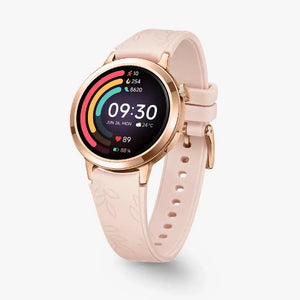
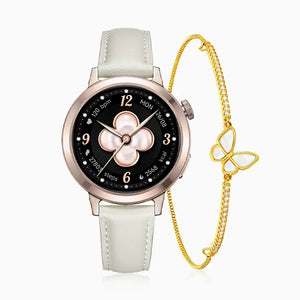
FANY Luna combines a smartwatch design with sleep and activity tracking. According to the product specifications, it tracks sleep information and heart rate, allowing you to review available data alongside your daily routine.
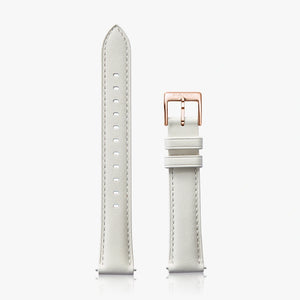
Its case measures 37.5 mm. The leather-band version weighs approximately 23.9 g, while the silicone-band version weighs approximately 29.2 g. These specifications may be useful if you prefer a smaller, lighter watch for everyday wear. However, nighttime comfort depends on your wrist size, band fit, and personal preferences.
The two band styles also offer different looks: leather can suit a more classic everyday style, while silicone may appeal to people who prefer a sportier option.
FANY Luna is worth considering if you want a watch that combines everyday styling with sleep and activity tracking. Before choosing a device for overnight wear, consider the tracking features you need, battery and charging requirements, and whether the watch feels comfortable enough to wear while sleeping.
How to Track Sleep With a Smartwatch: 4 Practical Steps
Step 1: Wear Your Watch Comfortably
Follow the manufacturer's wearing instructions. The band should be secure enough for normal sensor contact without feeling uncomfortably tight. If you notice skin irritation or discomfort, adjust the fit or stop wearing the watch until the issue is resolved.
Step 2: Check Your Sleep Report in the Morning
Review the sleep information available in your watch or companion app. Depending on the device, this may include estimated sleep duration, sleep stages, wake periods, or heart rate.
Step 3: Look for Patterns Over Time
Compare your sleep records across several nights. Consider whether your bedtime, wake time, caffeine intake, travel, or evening routine changed. Treat these comparisons as observations rather than proof that one habit caused a particular result.
Step 4: Make One Manageable Change
Choose a practical habit to try, such as keeping a consistent bedtime, reducing screen use before bed, or avoiding caffeine late in the day. Review how you feel and whether your routine becomes easier to maintain.
Sleep tracking is most useful when it supports sensible habits, not when it becomes another number to worry about.
Make Sleep Tracking Part of Your Everyday Routine
A smartwatch can help you understand your estimated sleep duration, sleep patterns, and nighttime heart rate. These records may reveal useful trends, but they cannot fully measure sleep quality or diagnose the cause of ongoing fatigue.
Start with the basics: keep a consistent sleep schedule, pay attention to how you feel during the day, and use your sleep data as one source of information rather than a final verdict on your health.
If you are looking for a smartwatch that combines everyday styling with sleep and activity tracking, explore FANY Luna to learn more about its features, size, and band options.
If you regularly feel tired despite allowing enough time for sleep, or if you have persistent sleep difficulties, consider speaking with a healthcare professional.
The goal is not to achieve a perfect sleep score. It is to understand your habits and make informed choices that support your well-being.
FAQ
1. Can a smartwatch track your sleep?
Yes. Many smartwatches estimate sleep duration and patterns using sensors such as accelerometers and heart rate sensors. The available metrics vary by device, and the results should be treated as estimates rather than exact measurements.
2. How accurate is smartwatch sleep tracking?
Accuracy varies by device and metric. Sleep duration and sleep-wake patterns may be useful for general monitoring, but estimates of deep sleep and REM sleep can be less reliable. A smartwatch should not replace a clinical sleep assessment.
3. What sleep metrics should I look at on my smartwatch?
Start with estimated sleep duration and your usual bedtime and wake time. You can also review available sleep-stage and nighttime heart rate data, but avoid interpreting any single metric as a complete measure of sleep quality or physical recovery.
4. Is a smartwatch better than a dedicated sleep tracker?
It depends on your needs. A smartwatch may combine sleep monitoring with daytime activity tracking, workout records, and notifications. A dedicated sleep tracker may focus more on overnight monitoring. Compare the features, comfort, battery requirements, and data interpretation before choosing.
5. Can FANY Luna track sleep?
FANY Luna offers sleep tracking as part of its wellness features. Check the current product specifications and companion app for the sleep metrics available on your model.
6. Should I wear my smartwatch while sleeping?
You can wear a smartwatch overnight if its instructions allow it and the device feels comfortable. Follow the manufacturer's guidance for fit, charging, and skin care. If the watch causes irritation or discomfort, adjust the fit or stop wearing it overnight.
7. Can a smartwatch tell me why I feel tired?
No. A smartwatch can provide estimates of sleep patterns and other measurements, but it cannot reliably identify every cause of fatigue. If tiredness persists despite adequate sleep, consult a healthcare professional.
 Sia Cooper


A nurse-turned-personal trainer and founder of Diary of a Fit Mom, Sia lost 45 lbs through clean eating and lifestyle changes—and has been helping women do the same ever since. Drawing on her own journey through pregnancy, motherhood, and IVF, she's passionate about making fitness feel approachable, realistic, and empowering for women at every stage of life. Your trainer and friend.