








Pilates vs. Yoga: Key Differences, Benefits & Which to Choose
Pilates vs. yoga: which is better for core strength, flexibility, weight loss, and stress relief? Compare benefits and find the right workout for beginners.
Trying to decide between Pilates and yoga? Both involve controlled movement, body awareness, and breathing, but they often emphasize different aspects of fitness.
Pilates typically focuses on core control, muscular endurance, and movement stability. Yoga combines physical postures, breathing, and, depending on the style, relaxation or meditation.
If you're hoping to improve flexibility, strengthen your core, feel more comfortable after long hours at a desk, or build a consistent exercise routine, understanding the differences can help you choose a class that suits your goals.
This guide compares Pilates vs. yoga for beginners, core strength, flexibility, stress relief, and weight management. You'll also find a simple weekly workout plan and tips for tracking your practice with a smartwatch.
Quick Answer: Is Pilates or Yoga Better?
Neither Pilates nor yoga is universally better. The right choice depends on your fitness goals, experience, physical needs, and the classes available to you.
- For core control and stability: Pilates is a useful starting point because many exercises specifically emphasize controlled trunk movements.
- For stretching and flexibility: Gentle or Hatha Yoga may appeal if you prefer holding poses and exploring your range of motion.
- For relaxation: Gentle or restorative yoga may be a good fit if you enjoy slower movements and breathing practices.
- For general fitness: Both can contribute to a balanced activity routine.
- For beginners: Either can work when the class is appropriately paced and taught with suitable modifications.
The most sustainable choice is often the one you enjoy and can practice regularly.
What Is the Difference Between Pilates and Yoga?
The main difference between Pilates and yoga lies in their typical training approaches.
Pilates emphasizes controlled movement, muscular coordination, and core stability. Yoga generally combines postures and breathing, sometimes with meditation or relaxation practices.
What Is Pilates?
Pilates is a method of exercise built around controlled movements and body alignment.
Many foundational exercises involve the abdominal, back, hip, and pelvic muscles. Rather than focusing only on the number of repetitions, Pilates often emphasizes how each movement is performed.
There are two common forms:
Mat Pilates: Uses body weight and sometimes small props such as resistance bands or Pilates rings.
Reformer Pilates: Uses a specialized machine with springs and adjustable resistance.
Both can be adapted to different experience levels, although difficulty varies by instructor and exercise selection.
What Is Yoga?
Yoga includes physical postures, breathing practices, and other mind-body elements. Different styles can feel very different.
Hatha Yoga: Often introduces foundational postures and breathing at a manageable pace.
Vinyasa Yoga: Connects movements through flowing sequences and can be physically demanding.
Gentle Yoga: Usually emphasizes accessible movements and comfortable pacing.
Restorative Yoga: Uses supported poses and props, typically focusing on rest and relaxation.
Yoga is not always slow or easy. Some classes require considerable strength, endurance, and mobility.
Pilates vs. Yoga: Side-by-Side Comparison
| Feature | Pilates | Yoga |
|---|---|---|
| Typical emphasis | Core control and muscular stability | Postures, breathing, and mind-body practice |
| Movement style | Precise, often repeated exercises | Held poses or flowing sequences |
| Equipment | Mat, Reformer, or small props | Mat, blocks, straps, or bolsters |
| Core engagement | Central to many exercises | Present in numerous poses |
| Flexibility | Can improve flexibility and mobility | Often includes more sustained stretching |
| Relaxation | Depends on the class | Common in gentle and restorative styles |
| Beginner option | Beginner Mat Pilates | Gentle or Beginner Hatha Yoga |
These are typical differences rather than fixed rules. A challenging yoga class may be more physically demanding than beginner Pilates, while an advanced Reformer session can be very intense.
Pilates vs. Yoga for Core Strength: Which Is Better?
If your main goal is to develop core control, Pilates may be a useful starting point.
Many Pilates exercises emphasize coordinated movement of the abdominal, back, and pelvic muscles.
For example:
Bridge: Encourages controlled hip movement and trunk stability.
The Hundred: Combines sustained positioning with coordinated arm movements and breathing.
Bird Dog variations: Challenge balance and control through the trunk and limbs.
Yoga also engages the core.
Plank, Boat Pose, and various standing balance poses require muscular support and body control.
The important distinction is that core conditioning is a central feature of many Pilates classes, while yoga often integrates it into a broader sequence of postures.
That does not mean Pilates always produces better strength outcomes. The quality and intensity of training, your starting fitness level, and regular practice all matter.
Best starting point: Choose beginner Pilates if you enjoy structured core-focused exercises. Choose yoga if you prefer strengthening through varied postures and flowing movement.
Pilates vs. Yoga for Flexibility: Which Should You Choose?
Both Pilates and yoga can help you explore and develop comfortable ranges of motion.
Yoga may feel more familiar if you're looking specifically for stretching.
Gentle and Hatha Yoga classes often include poses that target the hips, hamstrings, shoulders, and back.
Some poses are held for several breaths, allowing time to move gradually into a comfortable position.
Can Pilates Improve Flexibility?
Yes.
Pilates exercises often involve controlled movement through different joint ranges. This can support flexibility alongside muscular coordination and stability.
A systematic review on Pilates and physical fitness in adult women found improvements in certain flexibility outcomes, although results should be interpreted with care because the included studies differed in design and training methods.
Best starting point: Try Gentle Yoga if you enjoy dedicated stretching, or Pilates if you prefer mobility work integrated with core training.
In either case, avoid forcing a stretch or moving into pain.
Pilates vs. Yoga for Stress Relief and Relaxation
Both activities can offer a break from everyday responsibilities.
Gentle yoga frequently includes slower movement, breathing, and quiet periods that some people find relaxing.
Pilates also requires concentration and body awareness, providing an opportunity to focus on movement rather than daily distractions.
Is Yoga Better for Relaxation?
If relaxation is your main reason for exercising, a gentle or restorative yoga class may be a natural first choice.
The National Center for Complementary and Integrative Health reports that yoga may provide benefits for some aspects of stress and emotional well-being, although research findings vary by outcome and population.
Pilates may also support psychological well-being for some participants, but neither exercise should be described as a guaranteed treatment for stress or mental health conditions.
Best starting point: Try different beginner classes and consider how you feel afterward, rather than assuming one activity will deliver the same result for everyone.
Pilates vs. Yoga for Weight Loss: Is One More Effective?
There is no universal winner between Pilates and yoga for weight management.
The energy demands of each workout vary widely.
A vigorous Vinyasa Yoga class might require more effort than a gentle Pilates session. A challenging Reformer Pilates class may be more demanding than restorative yoga.
If weight management is your goal, consider the intensity and duration of your workouts, your overall activity routine, and other lifestyle factors.
Avoid judging a workout solely by the calorie estimate shown on your smartwatch.
The number is an estimate, not a complete measurement of workout effectiveness.
Best starting point: Choose an activity you enjoy enough to practice consistently, and combine it with other appropriate forms of physical activity.
Pilates vs. Yoga for Beginners: How to Get Started
Both Pilates and yoga offer beginner-friendly classes.
The best starting point depends on what you want to learn.
Choose Beginner Mat Pilates If You:
- Want to focus on core coordination and stability
- Prefer structured exercise instructions
- Enjoy precise, controlled movements
- Want to practice without specialized equipment initially
Choose Gentle or Hatha Yoga If You:
- Prefer stretching and a wider variety of postures
- Enjoy guided breathing during exercise
- Want a slower-paced introduction to movement
- Are interested in both physical activity and relaxation
How Long Should Your First Session Be?
A 20–30-minute beginner class can be a manageable starting point, but shorter sessions are also reasonable.
Choose a duration that suits your experience and comfort.
A qualified instructor can help you modify unfamiliar movements and avoid excessive strain.
If you have an injury, persistent pain, pregnancy-related considerations, or another condition affecting exercise safety, seek individualized advice before starting.
Can You Combine Pilates and Yoga in One Weekly Routine?
Yes. Pilates and yoga can complement each other because their typical class formats emphasize different movement experiences.
For example, you might use Pilates for structured core training and yoga for flexibility and slower movement.
Here is an illustrative beginner schedule:
| Day | Activity | Suggested Duration |
|---|---|---|
| Monday | Beginner Mat Pilates | 20–30 minutes |
| Tuesday | Walking or another comfortable activity | As preferred |
| Wednesday | Gentle Yoga | 20–30 minutes |
| Thursday | Rest or light activity | Flexible |
| Friday | Beginner Mat Pilates | 20–30 minutes |
| Saturday | Walking or other physical activity | As preferred |
| Sunday | Restorative Yoga or rest | Flexible |
This is an example, not a required training prescription. You can shorten sessions, take additional rest days, or rearrange activities according to your schedule.
Neither Pilates nor yoga necessarily replaces all aerobic and muscle-strengthening activity in a well-rounded fitness routine.
How Can FANY Luna Track Pilates and Yoga Workouts?
A smartwatch can help record when and how often you exercise, but it cannot directly measure whether your Pilates technique or yoga alignment is correct.
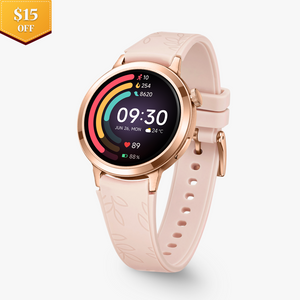
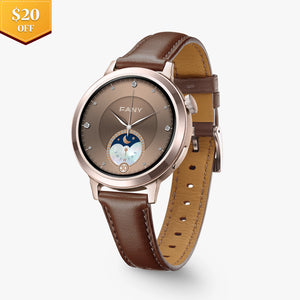
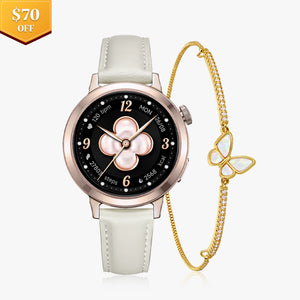
According to FANY's official specifications, the FANY Luna Smartwatch includes dedicated Pilates and Yoga workout modes.
These modes can help you review activity information and build a more consistent exercise routine.
1. Track Workout Duration
Record how long you spend practicing.
Instead of pushing to make every session longer, start by building a schedule you can maintain.
For example, two 20-minute sessions may be easier to fit into a busy week than one long class.
2. Review Heart Rate Trends
FANY Luna offers heart rate monitoring and workout-related activity information.
Heart rate can provide context about your body's response to physical activity, but it does not measure core strength, flexibility, balance technique, or the quality of relaxation.
A slower Pilates session may still involve meaningful muscular effort even when heart rate stays relatively steady.
3. Monitor Weekly Consistency
Reviewing your recorded sessions may help you identify whether you're practicing as often as planned.
If you consistently miss a weekday workout, consider choosing a more convenient time instead of abandoning your routine.
4. Consider Sleep and Everyday Activity
FANY Luna also provides sleep and activity information.
You can review these trends alongside how rested or energetic you feel, but changes in smartwatch data cannot prove that Pilates or yoga caused a specific health outcome.
For a deeper explanation of wearable measurements, explore the FANY Wellness & Fitness Blog.
What Can't a Smartwatch Measure?
A smartwatch cannot reliably tell whether:
- You're engaging the correct muscles during Pilates
- Your yoga poses are properly aligned
- Your flexibility has improved by a specific amount
- You're breathing with the correct technique
- A workout has reduced your stress or treated a health condition
During wrist-bearing yoga poses or Pilates exercises that press against the wrist, check whether wearing the watch is comfortable and safe.
If it interferes with movement, prioritize your exercise technique and comfort over continuous tracking.
For more detailed yoga-specific tracking advice, read Best Smartwatch for Yoga: A Practical Tracking Guide.
Common Mistakes to Avoid When Starting Pilates or Yoga
Mistake 1: Choosing a Class Based Only on Its Name
Not all Pilates or yoga classes have the same intensity.
Read the class description and look for beginner-level instruction if you're new to either activity.
Mistake 2: Stretching or Exercising Through Pain
An effective workout doesn't require painful stretching, extreme poses, or pushing yourself to exhaustion.
If you experience significant pain, dizziness, or unusual discomfort, stop and seek appropriate guidance.
Mistake 3: Relying Entirely on Smartwatch Numbers
Exercise duration, heart rate, and estimated calories cannot tell the whole story.
Also consider how comfortable you feel, whether you're learning good movement technique, and whether you can maintain the routine.
Mistake 4: Expecting Immediate Results
Changes in strength, mobility, and fitness take time.
Choose manageable sessions and allow yourself to progress gradually.
Frequently Asked Questions
Is Pilates or Yoga Better for Beginners?
Both can work well for beginners. Mat Pilates may appeal if you want to focus on core control, while Gentle or Hatha Yoga may be more appealing if you enjoy stretching, postures, and breathing.
Is Pilates Better Than Yoga for Core Strength?
Pilates often places more direct emphasis on core control, but yoga also challenges the core. Neither is universally superior across all styles and fitness outcomes.
Is Pilates or Yoga Better for Flexibility?
Both can help improve flexibility. Yoga often features more sustained stretching, while Pilates combines movement control with mobility work.
Is Yoga Better Than Pilates for Stress Relief?
Gentle or restorative yoga may suit people who prefer slower movement and breathing practices. Pilates can also provide a focused mind-body activity. Individual experiences vary.
Which Burns More Calories: Pilates or Yoga?
It depends on the specific class, intensity, and duration. Neither activity consistently burns more calories in every setting.
Can I Do Pilates and Yoga on the Same Day?
Some people combine them successfully, but total intensity, fatigue, and recovery needs matter. Beginners may prefer separate sessions while learning the movements.
Does FANY Luna Have Pilates and Yoga Workout Modes?
Yes. FANY Luna's official specifications list dedicated Pilates and Yoga modes.
Can FANY Luna Measure Core Strength or Flexibility?
No. FANY Luna can track workout-related activity information, but it cannot directly evaluate core strength, joint flexibility, or exercise technique.
Final Thoughts: Pilates or Yoga — Which Should You Choose?
The best choice depends on your goals and the type of exercise you enjoy.
Pilates may be a good starting point if you prefer controlled, core-focused movements. Yoga may appeal more if you enjoy stretching, breathing, and varied postures.
You can also include both in your weekly routine to enjoy different movement experiences.
A smartwatch such as FANY Luna can help you record sessions and review your activity patterns, but it shouldn't replace your body's signals or instruction from a qualified teacher.
Start with a manageable class, stay consistent, and choose a routine that fits your everyday life.
 Sia Cooper


A nurse-turned-personal trainer and founder of Diary of a Fit Mom, Sia lost 45 lbs through clean eating and lifestyle changes—and has been helping women do the same ever since. Drawing on her own journey through pregnancy, motherhood, and IVF, she's passionate about making fitness feel approachable, realistic, and empowering for women at every stage of life. Your trainer and friend.